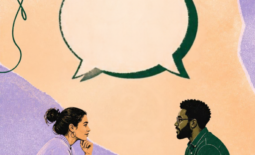

Have You Become the Unofficial Manager of Someone Else’s Life?
Have you ever noticed how much time you spend thinking about what someone else is thinking, feeling, doing, or not doing?
Maybe you’re trying to figure out why your partner is in a bad mood. Maybe you’re worrying about an adult child’s choices. Maybe you’re rehearsing how to tell someone something because you know they won’t like hearing it.
And somewhere along the way, you’ve taken on a job you never actually applied for.
You’ve become the unofficial manager of someone else’s emotional life.
And chances are, you’re exhausted.
How Did This Become Your Job?
Sometimes it happens so gradually that we don’t even notice.
Someone gets upset, and we rush to make things better. Someone makes a poor decision, and we start figuring out how to prevent the consequences. Someone doesn’t follow through, and we step in to make sure everything gets done.
Maybe you’ve been doing this for years.
And maybe you even believe it’s what being a loving, responsible person looks like.
But here’s something worth considering: When did caring about someone become the same thing as managing them?
Because those are two very different things.
The Responsibility We Take Without Being Asked
Think about the people closest to you.
Do you monitor their moods before deciding what kind of evening you’re going to have? Do you feel compelled to explain things repeatedly because you can’t stand the thought of someone misunderstanding you? Do you worry more about the consequences of someone else’s decisions than they seem to?
Do you sometimes find yourself working harder on someone else’s problem than they are?
If so, I want you to consider something.
What would happen if you stopped doing their part?
Not as punishment. Not to teach them a lesson. Not because you’ve stopped caring.
But because their part actually belongs to them.
Would they struggle? Maybe. Would they make a choice you wouldn’t make? Possibly.
Would they feel disappointed, frustrated, or uncomfortable? Quite likely.
And would that automatically mean you needed to step back in?
No.
There’s a Cost to Both People
Here’s something we don’t talk about enough.
When we continually manage another adult’s emotions, decisions, and responsibilities, we aren’t just exhausting ourselves. We may also be interfering with their opportunity to learn, develop confidence, experience consequences, and discover what they’re capable of.
Think about that for a minute.
When I constantly anticipate your needs, solve your problems, and protect you from discomfort, what opportunities am I taking away from you? And what am I teaching myself about my own ability to tolerate uncertainty? Because there’s often something happening on both sides.
One person becomes increasingly responsible.
The other may become increasingly dependent, passive, resentful, or resistant.
Of course, this isn’t true of every situation. Some people genuinely need additional support because of illness, disability, age, or circumstances. And some relationships have real imbalances in responsibility that need to be addressed.
But in relationships between capable adults, it’s worth examining whether our help is actually helpful.
What If You Let Them Be?
I don’t mean abandoning someone who needs you.
I mean allowing people to have their own thoughts, feelings, opinions, mistakes, and experiences without making all of them your personal assignment.
What if your partner could have a bad day without you needing to improve their mood?
What if your adult child could make a decision you disagree with, and you could still have a good day?
What if someone misunderstood you, and you didn’t spend the next three hours trying to straighten it out?
What if you could offer help, accept their answer, and leave the decision with them?
What might become possible for both of you?
This is where healthy detachment becomes so important. It’s not emotional distance. It’s not indifference. It’s not that we don’t truly care. It’s recognizing that we can remain loving, involved, and supportive without assuming control of another person’s life.
And What About Your Own Life?
Here’s the other side of this conversation.
While you’re busy managing everyone else’s feelings and choices, what’s happening with yours? Are you paying attention to what you need? Yes – all those emontional and psychological needs too, such as rest, fun, connection, purpose and nurturing.
Are you making decisions about your own life? (Do you even have time to think about it?)
Are you following through on the things that matter to you? Or have other people’s problems become a convenient distraction from your own? Sometimes focusing on someone else feels easier than facing the decisions, uncertainties, and responsibilities waiting for us. That’s worth being curious about, too.
A Different Kind of Love
Imagine being in relationships where people are allowed to be separate individuals. Where someone can be disappointed without another person rushing to fix it. Where help is offered rather than imposed…
Where each person has room to make choices, learn from mistakes, and take responsibility for what belongs to them. And where caring doesn’t require constant monitoring, managing, or rescuing.
That sounds like a relationship with a little more breathing room, doesn’t it?
So here’s something I’d like you to think about this week:
Where have you taken on a job in someone else’s life that actually belongs to them?
And perhaps the more interesting question:
What could you do with all that energy if you gave that job back?