The Shift That Changes How You Handle Everything
There’s a moment most people don’t notice.
It happens fast. Quietly.
A comment lands the wrong way.
Someone doesn’t respond.
A decision needs to be made.
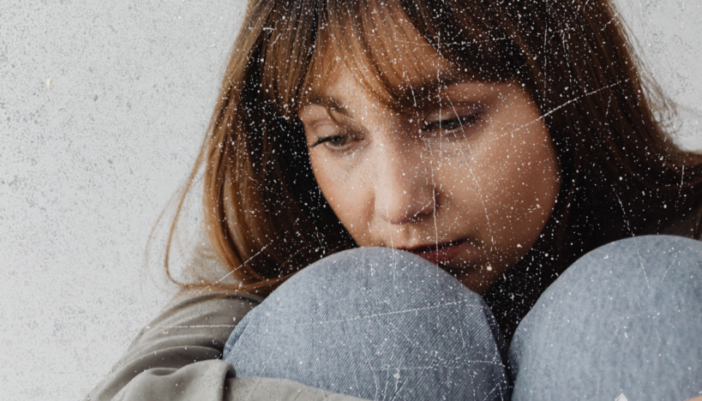
And almost instantly, something takes over.
You feel it in your body: tightness, urgency, pressure.
Your mind starts moving quickly, figuring it out, fixing it, explaining it, avoiding it.
And before you even realize it, you’ve reacted.
You’ve said yes when you didn’t want to.
You’ve over-explained something that didn’t need defending.
You’ve made a decision just to get out of the discomfort.
This is what it looks like when the survival part of your brain is in charge.
The Problem Isn’t Fear
Fear isn’t the issue.
It’s doing exactly what it was designed to do. To protect you.
Your brain doesn’t always know the difference between:
- a real threat
- and emotional discomfort
So it treats both the same.
Disapproval can feel like danger.
Silence can feel like rejection.
Uncertainty can feel like something is wrong.
And when that happens, your system moves fast.
It pushes you to:
- fix
- explain
- avoid
- control
- or shut down
Not because you’re weak.
Because your brain is trying to keep you safe.
The Moment That Changes Everything
But here’s the part most people miss:
There is a small window…right before you react…where something else is possible.
It’s not loud.
It doesn’t feel natural at first.
But it’s there.
It’s the pause.
And in that pause, you have a choice.
Not to eliminate fear.
But to decide whether you’re going to follow it.
What It Looks Like to Choose Differently
Choosing differently doesn’t mean you suddenly feel calm or confident.
Most of the time, it looks like this:
- You feel anxious… and you don’t rush to fix it
- You feel misunderstood… and you don’t over-explain
- You feel pressure… and you give yourself a minute
- You feel someone else’s emotion… and you don’t absorb it
It’s subtle.
But it’s powerful.
Because in those moments, you are no longer reacting from fear.
You are responding with awareness.
Separating What’s Yours From What Isn’t
This is where things start to shift.
You begin to realize:
- Just because someone is upset… doesn’t mean you’ve done something wrong
- Just because someone wants an answer… doesn’t mean you have to rush
- Just because you feel uncomfortable… doesn’t mean you’re unsafe
- Just because fear shows up… doesn’t mean it gets to decide
And that separation is everything.
Because when you stop taking responsibility for what isn’t yours…
you finally have space to take ownership of what is.
The Role of Values
Fear asks:
“What keeps me safe right now?”
Values ask:
“Who do I want to be in this moment?”
That question changes how you respond.
Instead of reacting from urgency, you start responding from intention.
You might still feel anxious.
You might still feel unsure.
But your behavior begins to align with something deeper than fear.
- honesty instead of avoidance
- clarity instead of over-explaining
- steadiness instead of urgency
And over time, that builds something most people are actually looking for:
self-trust.
What Changes Over Time
Your life doesn’t suddenly become easy.
But it becomes clearer.
You:
- pause more
- react less
- communicate more directly
- tolerate discomfort without immediately escaping it
And most importantly:
You start trusting yourself to handle what comes next.
Not because fear is gone.
But because it’s no longer in charge.
A Simple Practice
The next time you feel that familiar urgency…
Pause.
Take one breath.
And ask yourself:
Is this fear… or is this fact?
Then go one step further:
If fear wasn’t leading right now… what would I choose instead?
You don’t need to become a different person to change your life.
You just need to stop letting fear make your decisions for you.